Schlagwort: culture

  • Erschütterung der Macht in Hollywood: Disney schluckt Lucasfilm

    George Lucas hat seine Ankündigung wahr gemacht – er tritt ab als alleiniger Herrscher über die „Star Wars“-Galaxie. Seine Firma Lucasfilm verkaufte er nun für über vier Milliarden US-Dollar an den Unterhaltungsgiganten Disney. Der Micky-Maus-Multi kündigte auch gleich an: Star Wars geht schon ab 2015 in die nächste Runde – und wird als Marke gnadenlos ausgeschlachtet.


    Horrorvision aller eingefleischten Star Wars-Fans. (Bild: UGC)
    Horrorvision aller eingefleischten Star Wars-Fans. (Bild: UGC)

    Das Imperium hat wieder einmal zugeschlagen. Nach dem Animationsstudio Pixar ( „Findet Nemo“) und dem Comic-Konzern Marvel („Iron Man“) hat Unterhaltungsmulti Disney seinen Einkaufszug durch die Medienwelt fortgesetzt. Das Objekt der Begierde hieß diesmal Lucasfilm – über vier Milliarden US-Dollar (rund drei Milliarden Euro) bezahlte Disney für die Firma des kalifornischen Filmemachers George Lucas – inklusive Spezialeffekte- und Sound-Studios sowie der Computerspiele-Schmiede LucasArts. George Lucas wird als alleiniger Eigentümer des Unternehmens bar und in frisch herausgegebenen Aktien ausbezahlt.

    Schon bei der Übernahme kündigte Disney an, das Weltraumdrama fortschreiben zu wollen. „Der letzte Star Wars-Film war ‚die Rache der Sith‘ im Jahre 2005. Wir glauben, dass erhebliche Nachfrage für neue Folgen besteht“, sagte Disney-Chef Bob Iger in Burbank bei Los Angeles. Laut Iger soll schon 2015 Star Wars-Episode 7 in die Kinos kommen, die Folgen acht und neun sind bereits in Planung. Alle zwei bis drei Jahre, versprach Iger, werde ab dann ein neues Abenteuer aus der Reihe – aller Voraussicht nach in 3D – über die Leinwände flimmern.

    Die bisherigen sechs Episoden der Reihe kamen in den Jahren 1977 bis 1983 sowie 1999 bis 2005 in die Kinos und waren ausnahmslos Kassenschlager. Rechnet man Einspielergebnisse mit Merchandise-Einnahmen zusammen, hat Lucasfilm laut eigenen Angaben insgesamt rund 20 Milliarden US-Dollar an der Reihe verdient. Damit wäre die Geschichte um Luke Skywalker, Prinzessin Leia und Darth Vader das erfolgreichste Kino-Epos aller Zeiten. An den anderen Produkten der Firma, etwa dem „Indiana Jones“-Franchise, bekundete Iger allerdings kein Interesse.

    George Lucas erklärte, dass er sich bereits auf die neuen Episoden freue und sich künftig als Fan der Reihe sehe. Bereits zu Beginn dieses Jahres hatte der 68-Jährige seinen Ausstieg aus Hollywood angekündigt: „Ich ziehe mich zurück“, hatte er der New York Times verraten. „Ich steige aus der Industrie und meinem Geschäft aus.“ Disney hatte ihm offenbar bereits im Laufe des Jahres 2011 ein Angebot für eine Übernahme gemacht, doch erst im Zuge seines Rückzuges aus der Arbeitswelt kam ein Deal mit dem Micky-Maus-Imperium zustande.

    Mit der Übernahme führt Disney laut dem „Handelsblatt“ seine über die vergangenen Jahre angewandte Geschäftsstrategie gekonnt fort: Bewährte, gut verkäufliche Marken werden aufgekauft und umfassend kommerzialisiert. So auch geschehen bei Marvel. Für die Comicschmiede bezahlte Disney 2009 rund  4,3 Milliarden US-Dollar. Auch hier baut der Konzern auf Altbewährtes statt auf eigene Ideen. Mit vertrauten Figuren und einer verstärkten Konzentration auf 3D, Spezialeffekte, Merchandise und Weiterverwertung in Themenparks möchte Disney familienfreundliches „Event-Kino“ bieten. Gelungen ist dem Megakonzern dies bei dem Animationsspektakel „The Avengers“, das im Frühjahr 2012 weltweit 1,5 Milliarden US-Dollar (rund 1,15 Milliarden Euro) einstreichen konnte und damit Skeptiker der Marvel-Übernahme besänftigte.

    Ähnliches wird wohl auch dem Weltraumdrama Star Wars verstärkt widerfahren. Der 1977 gedrehte erste Teil der Saga hatte Lucasfilm – damals eine unbekannte Independent-Klitsche aus San Franciso – gerade mal elf Millionen US-Dollar gekostet. Das ist nicht viel mehr als Ewan McGregors Gage für die Rolle des Obi-Wan Kenobi in „die Rache der Sith“. Doch für die immer weitergedrehte Kommerzialisierungsschraube hatte George Lucas viel Fanschelte bezogen. 

So hatten Fans schon in den späten Neunziger Jahren Lucas‘ überarbeitete Fassungen der ursprünglichen drei Star Wars-Filme kritisiert. Sie seien nicht nur digitalisiert, sondern auch inhaltlich nachträglich verändert worden, lautete das Urteil. Ähnlich durchwachsen waren die Reaktionen auf die drei neuen Filme, die zwischen 1999 und 2005 in den Kinos liefen. Erkennbar familienfreundliche Figuren wie Jar Jar Binks, der bei Episode 1: „Die dunkle Bedrohung“ erstmalig die Star Wars-Welt betrat, fielen bei eingefleischten Fans durch.

    Lucas selbst ließ das nicht kalt. „Warum sollte ich noch mehr Teile machen, wenn man ständig von allen Leuten angeschrien wird, was für eine schlimme Person man doch sei“, schmollte er gegenüber der New York Times Anfang 2012. Dies war wohl auch ein Grund für ihn, das Geschäft zu verkaufen. Er selbst werde allenfalls noch Independent-Filme machen, kündigte er an – wie damals als Film-Student in den Sechziger-Jahren. Ob dies angesichts des Disney-Deals die Fans beruhigen wird, darf jedoch bezweifelt werden.

    Erschienen auf Yahoo! Finance am 31. Oktober 2012


  • Israeli erfindet Fahrrad aus Pappkarton

    Es wurde in einer kleinen, vollgepackten Gartenlaube erfunden, könnte aber den Verkehr von Grund auf revolutionieren – egal ob in modernen Großstädten oder in den ärmsten Gegenden Afrikas: Ein Israeli hat das völlig recycelbare „Papp-Fahrrad“ entwickelt. Höchstens 20 US-Dollar (etwa 15 Euro) soll das Gefährt kosten und superleicht soll es sein. Das Vehikel soll in Kürze in Massenproduktion gehen.

    Erst cyceln, dann recyceln: Gafni und sein Pappesel. (Bild: Screenshot)

    Izhar Gafni designt eigentlich Fließbänder in großen Fabriken. Mit der Idee, ein Fahrrad völlig aus recycelbaren Materialien zu bauen, trug sich der 50-jährige Hobbyradler allerdings schon seit Jahren. „Es hat mich immer fasziniert, ungewöhnliche Techniken an Materialien auszuprobieren“, sagte Gafni der Nachrichtenagentur Reuters. Gearbeitet hat Gafni daran in seiner alten, zugestellten Gartenlaube – eben dem klassischen Ort, an dem geniale Erfindungen geboren werden.

    Karton erwies sich allerdings zunächst als widerspenstiger Werkstoff. „Ich habe vier Jahre gebraucht, um die strukturellen Schwächen von Wellpappe auszumerzen“, so der Israeli. Einen Umzugskarton zu bauen sei zwar leicht und es bedürfe nicht viel, um ihn stabil zu kriegen – ein Fahrrad aus Karton zu bauen sei jedoch ein anderes Kaliber. „Ich musste erst einmal einen Weg finden, um das Material richtig zu falten. Rund anderthalb Jahre hat es gedauert, bis ich es nach vielen Tests und Misserfolgen hinbekommen habe“, so Gafni.

    Inzwischen hat Gafni das aufsässige Material gebändigt:  „Es ist erstaunlich, wie widerstandsfähig Pappkarton ist. Wenn wir in Produktion gehen, wird das Fahrrad komplett ohne Metalteile auskommen.“ Selbst die Fahrradekette ist aus recycelbarem Material. Klar, dass der Karton für die Produktion noch behandelt werden muss. Dazu wird eine organische Lösung verwendet, die die Papprahmen wasser- und feuerfest macht.

    Laut Gafni ist nicht nur die Herstellung der Räder kostengünstig, sondern auch die Pflege: Da die Reifen aus recycelten Autoreifen gewonnen werden, sind sie extrem widerstandsfähig – das Stopfen von Löchern im Schlauch ist damit Geschichte. Ganz auszuschließen sei dabei aber nicht, dass sie vielleicht etwas ruckeliger daherkommen als das Normalrad. Allerdings sind Gafnis Vehikel mit nicht einmal zehn Kilogramm sehr leicht und eignen sich daher auch zur Fahrt für alte und junge Menschen. Ein Prototyp ist bereits in Nutzung – Gafnis kleine Tochter ist seit Monaten mit einem recycelbaren Laufrad unterwegs.

    Laut Nimrod Elmish, Gafnis Geschäftspartner, sollen die Räder insbesondere von sozial bedürftigen Menschen gebaut werden. Und das Rohmaterial sei überall günstig zu erstehen. Statt einem Wettlauf an immer günstigere Produktionsorte könnten Firmen so neue Arbeitsplätze in armen Ländern schaffen, so Elmish. Die reinen Produktionskosten dürften sich seiner Ansicht nach auf neun US-Dollar belaufen: „Das Rad kann für 20 US-Dollar (etwa 15 Euro) verkauft werden, weil die Zwischenhändler verdienen möchten“, so Elmish zu Reuters. „Wir denken, es sollte nicht mehr kosten.“

    Wenn Fabriken „grüne“ Materialien verwenden, gäbe es zudem häufig Regierungszuschüsse. „Aufgrund der kaum vorhandenen Produktionskosten können die Räder in armen Ländern dann auch umsonst verteilt werden“, so Elmish. Und was haben die beiden Israelis davon? „Wir kopieren ein Konzept aus der High Tech-Welt, in der es freie Software gibt, weil große Firmen darin Werbung platzieren“, so Elmish. So könnten sich internationale Firmen einen Platz auf den Rahmen der Recycelräder kaufen. Gibt es daran denn Interesse? Offenbar. Die Herstellung der ersten „Pappräder“ – geplant sind zwei unterschiedliche Typen und ein Rollstuhl – soll binnen weniger Monate in Israel beginnen. In die Läden kommen sie dann im Laufe des nächsten Jahres.

    Erschienen auf Yahoo! Nachrichten am 16. Oktober 2012

  • Das dicke Geschäft mit den Fans

    Artikel im Tagesspiegel vom 5. September 2010 von Lars Dittmer //Lange muss man nicht warten, sie kommen zu einem. Sie sehen etwas bulliger aus als das studentische Publikum, das sich zum Berlin-Gig der kanadischen Indieband Arcade Fire vergangenen Dienstag vor dem Tempodrom tummelt. Sie stehen etwas abseits, mit weiten Hip- Hop-Hosen und Sonnenbrillen, wechseln mal untereinander ein paar Worte, mischen sich dann wieder unter die kastenbebrillten Indiefans.

    Man merkt, dass sie die Musik nicht interessiert – sie sind hier wegen des Geschäfts. „80 Euro das Ticket“, sagt einer mit umgedrehter Kappe. Könne er auch mehr besorgen? „Mehr als zwei kriegst du nie“, sagt er misstrauisch und dreht sich schnell um. Ein dicker Kollege von ihm ist offener: Klar, man müsse sich nur festlegen, wie viele. 80 Euro verlangt auch er. Eine halbe Stunde später kostet sie bereits 100 – bei Vorverkaufspreisen von 32 Euro eine beachtliche Gewinnspanne. Für die Fans, die noch keine Karten haben, wird es eng, denn das Konzert ist schon seit Wochen ausverkauft und günstige Tickets rar.

    Nicht alle haben das Glück, The Arcade Fire so erleben zu dürfen. Bild: Anders Jensen-Urstad/Wikipedia
    Nicht alle haben das Glück, The Arcade Fire so erleben zu dürfen. Bild: Anders Jensen-Urstad/Wikipedia

    „Eigentlich gehört das verboten“, schimpft ein Wiener Architekturstudent, der extra nach Berlin gereist ist, um das Konzert zu besuchen. Die Händler haben ihn gleich in der Einfahrt zum Tempodrom angesprochen. Er hat ihnen ein überschüssiges Ticket zum Normalpreis verkauft. Die Geschäftemacherei ärgert ihn: „Die Karten werden in großen Mengen günstig eingekauft und dann, online oder vor dem Konzert, teuer abgestoßen. Die Schwarzmarkthändler treten immer wie normale Fans auf.“ So auch bei der Onlineauktionsplattform Ebay, die sich in den vergangenen Jahren zu einem der zentralen Umschlagplätze für Konzertkarten entwickelt hat. Wenige Tage vor dem Arcade-Fire-Gig wechselten hier Tickets für immense Summen den Besitzer. Ein User hatte zwei Tickets im Angebot und die Auktion bei 1 Euro angesetzt. Fünf Tage vor dem Konzert nahm er 136 Euro dafür ein. Wie man in seiner Angebotsgeschichte lesen kann, hat er drei Tage darauf ein weiteres Paar für 251 Euro verkauft. Regulär hätten zwei Tickets 64 Euro gekostet. Auch bei den Onlinebörsen Viagogo, Fansale und Seatwave konnte man noch Karten ergattern: Alle starteten bei 64 Euro, bei Seatwave gingen die Preis bis 165 Euro. Auch hier scheint es, als verkauften Fans privat – mehr als zwei Tickets werden nie angeboten.

    Es ist zu einem gewissen Grad legitim, seine Konzertkarte online zu verkaufen, denn die Veranstalter nehmen Tickets auch bei Krankheit nicht mehr zurück. „Es ist nicht zutreffend, den Wiederverkauf von Tickets generell als nicht erlaubten Schwarzhandel zu bezeichnen“, sagt Maike Fuest, Pressesprecherin von Ebay. „Die vorliegende Rechtsprechung beurteilt einen solchen Wiederverkauf bis dato widersprüchlich.“ Zumal niemand gezwungen ist, Wucherpreise zu bezahlen – gerade bei Ebay entstehen sie oft durch die Nachfrage. Schwierig ist es gleichwohl, ehrliche Fans von den Leuten zu unterscheiden, die gewerbsmäßig anbieten. Denn wie so oft verlocken rechtliche Grauzonen zum Missbrauch.

    In den Musikforen im Internet ballt sich der Frust, von systematischer Abzocke ist die Rede. Userin „Birgit 72“ ärgerte sich da über die Ticketpreise zum Berlin-Gig von Rammstein im Dezember vergangenen Jahres. Der offizielle Onlineshop der Band sei gleich zu Beginn des Vorverkaufs abgestürzt, Community-Mitglieder hatten bevorzugt Karten bekommen, und als der Shop wieder funktionierte: „Ausverkauft!“, schrieb sie. Die Karten fand sie dann bei Ebay wieder, im Sofortverkauf für 225 Euro – mehr als dreimal so hoch wie regulär. Als sie bei der Verkäuferin anfragte, ob dies tatsächlich der Preis für eine Karte sei, erhielt sie als Antwort: „Ups, verschrieben, ist für zwei Karten.“ Tags darauf stand dort wieder Stückpreis. „Die gute Frau hat 34 Auktionen mit Konzertkarten am Laufen – aus Versehen?“ ärgerte sich „Birgit 72“.

    „Der Schwarzmarkt vor allen interessanten Konzerten ist inzwischen Usus“, sagt Peter Schummel von der Konzertkasse Koka 36 in Kreuzberg. Der Schaden ist freilich nicht nur moralisch – Fans und Konzertveranstalter werden gleichermaßen ausgenommen, und die Gewinne werden nicht versteuert. „Auch bei Fußballspielen und anderen Events sind die organisierten Gruppen tätig – bundesweit“, sagt Schummel. Den Ticketbüros sind die Hände gebunden: „Bei größeren Einkäufen um 50 Tickets fragen wir nach, was mit den Karten passiert. Ansonst gibt es bei uns auch die Unschuldsvermutung.“ Könnte man Tickets nicht personengebunden verkaufen? Schummel winkt ab: „Den logistischen Aufwand einer Ausweiskontrolle kann man bei Tausenden von Fans nicht mehr stemmen.“

    Bei Senat und Polizei ist man ebenfalls ratlos. „Der Konzertkartenschwarzmarkt ist Teil des Zivilrechts, die Veranstalter müssen Anzeige erstatten“, sagt Guido Busch, Pressesprecher der Berliner Polizei. Diesen fehlen aber die Kapazitäten, bei Hunderten von Fällen einzuschreiten. Schwarzmarkthändlern kann auf dem Konzertgelände zwar aufgrund des Hausrechts ein Platzverweis gegeben werden, sie können dann aber auf der Straße weitermachen. Diese Erfahrung hat das Concertbüro Zahlmann, ein großer Berliner Veranstalter, bereits gemacht. Welche Verluste durch den Schwarzmarkt entstehen, ist schwer zu sagen: „Den Schaden kann man nicht beziffern, wir haben nicht das Personal, das im großen Stil einzuschätzen“, sagt Manfred Müller vom Concertbüro. Wer den organisierten Schwarzmarkt betreibt und wie hoch die Steuerausfälle sind, ist nicht bekannt. Gibt es gar kein Mittel, Ticketdealern das Handwerk zu legen? „Im Prinzip wäre es einfach, wenn jeder nur den Originalpreis für eine Konzertkarte zahlen würde“, sagt Peter Schummel. „Solange Wahnsinnspreise für die Tickets bezahlt werden, müssen wir mit dem Schwarzmarkt leben.

  • Lügen für die Liebe

    Im Kino: die Komödie „I love you Phillip Morris“//Im Jahr 1998 war Steven Jay Russell tot, eine Zeitlang. Aids. Über Monate war der Häftling des Houstoner County Jail immer schwächer geworden, und dann teilt der Gefängnisarzt den Behörden sein Ableben mit. Der Clou: Der Doktor, der die ganze Zeit die Krankenakte fütterte, ist Russel selbst – kerngesund, bloß liebeskrank. Raus aus dem Knast will er, um seinen Zellengenossen Phillip Morris wiederzusehen, in den er sich unsterblich verliebt hat. Artikel im Tagesspiegel vom 3. Mai 2010

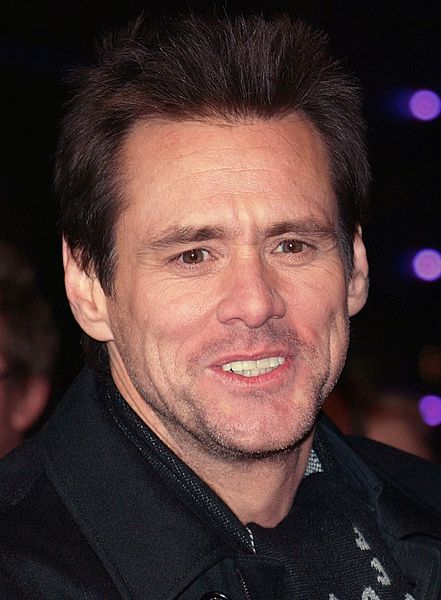
    „I love you Phillip Morris“ beginnt mit Russell (Jim Carrey) auf dem „Totenbett“: Er will sein Hochstaplerleben erzählen, eine Summe von Lügen. Früher hat er es mal bürgerlich versucht, lebte in Georgia als Ehemann, Vater, guter Amerikaner. Doch er ist schwul – und verlässt seine Frau für einen Freund (Rodrigo Santoro), und seine Accessoires heißen fortan Hawaiihemd, Hündchen und Rolex. Das Leben in Miamis Schwulen-Schickeria ist allerdings teuer: Nach Versicherungsbetrügereien landet Russell im Gefängnis, wo er den schüchternen Phillip Morris (Ewan McGregor) kennenlernt.

    Schwer verliebt: Carrey ist Steven Jay Russel in "I love you Phillip Morris"
    Schwer verliebt: Carrey ist Steven Jay Russel in „I love you Phillip Morris“

    Als die Regisseure John Requa und Glenn Ficarra sich an das Buch wagten, waren die Probleme absehbar. Ein Homosexueller, der aus Liebe zum Betrugs- und Ausbruchskünstler wird? Das gruselt die Konservativen in den USA. Pikant obendrein: Der Film beruht auf einer realen Geschichte. Der echte Russel sitzt derzeit eine Strafe von 144 Jahren ab, in Texas.

    „I love you Phillip Morris“ nimmt die Sache demonstrativ von der leichten Seite. Russel ist ein charmanter, zudem gewaltlos operierender Gauner – tragisch bloß, dass er sich an gesellschaftlichen Konventionen aufreiben muss. Wobei die Homosexualität der Protagonisten kaum eine Rolle spielt. Anders als etwa in „Milk“ oder „Brokeback Mountain“ bleibt dem Zuschauer der Kraftakt erspart, sich für die Intoleranz der Gesellschaft fremdzuschämen. Es wird ganz einfach geliebt: so entzückend wie verzückend.

  • Der Anfang vom Lied

    Wunder mit Methode: Warum Schweden unentwegt erfolgreiche Popmusiker hervorbringt. „Der schwedische Staat macht es einem unheimlich leicht, Künstler zu sein,“ sagt Nina Persson, Sängerin der Cardigans. Artikel im Tagesspiegel vom 8. April 2010 von Lars Dittmer

    Ein Klangteppich aus Gitarrengeschrammel und Keyboardsounds durchzieht die Konzerthalle des Berliner Astra-Clubs. Auch das letzte Paar Chucks hüpft jetzt auf und ab. Auslöser der Begeisterung ist die fünfköpfige Indiekapelle Shout Out Louds, die ganz unglamourös in T-Shirts und Jeans auftritt. Denn den Stockholmern geht es nur um die Musik. Und die ist, wie schon der Titel ihres neuen Album „Work“ (Universal) andeutet, solide Handwerksarbeit – nicht spektakulär, aber einfach gut: verspielte, präzise Gitarrenriffs, die an The Cure erinnern, eingängige Melodien, Mitstampfrhythmen,dazu die verhallte und leicht melancholische Stimme von Sänger Adam Olenius.

    Vor der Show im Biergarten des Clubs zeigen sich Olenius und Bassist Ted Malmros optimistisch. Die Konzerte in Hamburg und Berlin seien schnell ausverkauft gewesen, berichten sie. „Sogar in Rostock war die Halle gut gefüllt – die Stadt kannten wir vorher nicht mal“, sagt Malmros. Nicht nur die Shout Out Louds sind derzeit auf der Überholspur. Gerade hat das aufstrebende Folkduo First Aid Kit sein Berliner Publikum verzückt. Auch sie kommen aus Schweden und stehen für die unglaubliche Poptradition des skandinavischen Landes, die in schöner Regelmäßigkeit internationale Hits hervorbringt.

    Vor allem im Indierock und im Electropop ist Schweden heute gut aufgestellt, mit etablierten Bands wie den Cardigans, Mando Diao, Peter Björn and John und The Knife, aber auch einer steten Zufuhr an jungen Musikern wie etwa Lykke Li. Grund dafür ist eine Mischung aus protestantischer Arbeitsmoral, Gemeinschaftsgefühl, einer fast kostenfreien Musikerziehung und gutem Englisch. Und nicht zuletzt: die Gabe, Trends schnell zu erkennen und zu besetzen.

    Erfolgreiche Bands aus Schweden sind nichts Neues: Bis heute verkauften Abba 370 Millionen Alben und reihen sich damit gleich hinter den Beatles ein. In den Neunzigern brachte Schweden Musiker wie Ace of Base, Roxette und Robyn hervor. Letztere startete ihre Karriere vor drei Jahren mit einem tollen Album neu, was ihr einen Platz im Vorprogramm der letzten Madonna-Tour einbrachte. Manchmal sind auch Schweden drin, wo USA draufstehen: Songwriter und Produzenten wie Anders Bagge und Rami Yacoub arbeiten für Pink und Britney Spears.

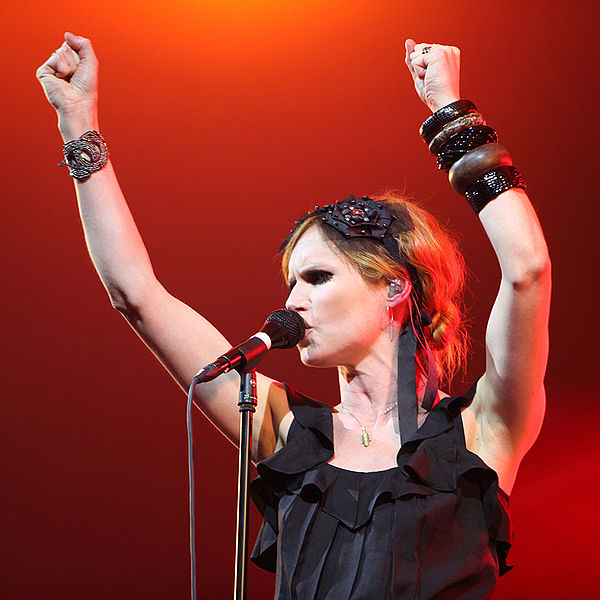
    Nina Persson auf dem Stockholm Pride Festival 2009. (Bild: Nyman/Wikipedia)
    Nina Persson auf dem Stockholm Pride Festival 2009. (Bild: Nyman/Wikipedia)

    „Als die Cardigans in den frühen Neunzigern anfingen, war die schwedische Musikindustrie bereits international vernetzt“, erzählt Nina Persson, Sängerin der Cardigans, am Telefon. Sie lebt heute in New York, ist mit dem US-Musiker Nathan Larson verheiratet, und parliert, wie so viele ihrer Landsleute, fließend in Englisch. Mehr als 80 Prozent der Schweden beherrschen die Sprache, Kinder lernen sie von früh auf, und englischsprachige Filme werden im TV nicht synchronisiert, sondern mit Untertiteln gezeigt.

    „Der schwedische Staat macht es einem unheimlich leicht, Künstler zu sein,“ sagt Persson. In den Nachkriegsjahren wurde ein Netz von kommunalen Musik- und Kunstschulen eingerichtet, um Kindern und Jugendlichen eine kostenfreie Musikerziehung zu ermöglichen. Von den 290 Kommunen des Landes besitzen 278 eine solche Einrichtung. „Die Beteiligung aller Klassen am kulturellen Leben war parteiübergreifender Konsens und Teil des Sozialstaatsgedankens“, sagt Bo Tobiasson, Professor an der königlichen Musikhochschule in Stockholm. Insbesondere in den Siebzigern und Achtzigern entstand in der Provinz eine Garagenbandkultur, die auch kommerziell erfolgreiche Bands hervorbrachte – fast alle Mitglieder der Cardigans lernten in diesen Schulen klampfen und trommeln.

    Hinzu kommt die grundsätzliche Offenheit der Schweden für Moden. „Wenn es irgendwo auf der Welt einen Trend gibt, kann man sicher sein, dass eine schwedische Band ihn aufnimmt“, sagt Persson. Und Musik- und Modetrends verbreiten sich meist schnell unter den 9,1 Millionen Einwohnern. Die Schweden verstehen sich als eine Art große Familie, mit flachen Hierarchien, aber auch einer gewissen sozialen Kontrolle. „Wir sind nicht besonders individualistisch. Auffallen möchte hier keiner“, bekennt Ted Malmros von den Shout Out Louds.

    Erfolg dient in der Selbstwahrnehmung der Schweden nicht primär dem Ziel, reich zu werden, sondern der Gemeinschaft. „Gute Musik hilft dem ganzen Land. Wir sehen uns auch als kulturelle Botschafter“, sagt Shout-OutLouds-Sänger Olenius. Für so viel Patriotismus revanchiert sich der Staat. Denn trotz Sparzwang greift er seinen Musikern nach wie vor mit Stipendien unter die Arme: Rund 11,5 Millionen schwedische Kronen, etwa 1,2 Millionen Euro, verteilt er jährlich unter mehr als 140 Bands, über 20 Millionen Euro gibt es für regionale Musikorganisationen. Zum Vergleich: Mit etwa zwei Millionen Euro fördert Deutschland über die „Initiative Musik“ Künstler und Musikunternehmen.

    Im Jahr 1993 wurde der Branchenverband Export Music Sweden (ExMS) gegründet, der die schwedische Musik in alle Welt tragen soll. Jedoch: Reich sind auch in Schweden die wenigsten Musiker. Etwa zwei Milliarden Kronen, 205 Millionen Euro, nahm das Land im Jahr 2006 durch Musikexporte und Lizenzgebühren ein – ein kleiner Teil des Wirtschaftkuchens. Dennoch zählt ExMS-Chef Anders Hjelmtorp Schweden zu den größten Musikexporteuren der Welt: „Wir dürften auf Nummer 5 oder 6 liegen und verkaufen von Jahr zu Jahr mehr.“ Den nackten Zahlen nach haben Länder wie Deutschland und Kanada bislang die Nase vorn. Dieser Vorsprung könnte jedoch enger werden – dank der Schwedenrezeptur und dem Ethos, dem auch die Shout Out Louds ihr neues Album widmen: Work.

  • Das Wunder der Stereoskopie

    „Avatar“, „Alice“ und die Folgen: Die Berliner Kinos rüsten auf 3 D um. Auch die Produktionsfirmen hoffen auf einen neuen Markt.

    Marianne Peinert, Rentnerin aus Hohenschönhausen, schaut sich „Avatar“ wegen 3 D an. Dafür lohnt sich, sagt sie, der Weg in die UCI-Kinowelt in Berlin-Friedrichshain an der Landsberger Allee. Rund 40 Zuschauer haben an diesem Mittwochnachmittag im 3-D-Saal Platz genommen, um sich das Weltraumindianer-Epos anzusehen. Mehr als 9,6 Millionen haben den Film in ganz Deutschland gesehen. Artikel im Tagesspiegel vom 9. März 2010 von Lars Dittmer

    Zwar ist „Avatar“ mit nur drei Auszeichnungen der Verlierer der Oscar-Nacht. Aber er hat einen Trend losgetreten, von dem nun auch seine Nachfolger profitieren. Tim Burtons 3-D-Märchen „Alice im Wunderland“ hat am ersten Wochenende 116 Millionen Euro eingespielt, Avatar spielte seinerzeit „nur“ 77 Millionen Euro ein. Der Erfolg von „Alice“ hat jedoch auch damit zu tun, dass immer mehr Kinos umgerüstet werden und so neue Zuschauer erreicht werden.

    „Viele ältere Leute schauen Avatar“, sagt UCI-Mitarbeiter Johannes Wagner. Dem letzten Herbst auf 3D umgerüsteten Kinosaal mit 298 Sitzplätzen soll daher ein zweiter folgen. Die Technik ist teuer: 120 000 Euro kosten Abspieltechnologie plus Silberleinwand, erfährt man beim Hauptverband Deutscher Filmtheater.

    Rund 20 derart ausgestattete Kinos gibt es in Berlin und Brandenburg, Tendenz steigend. Für die Betreiber können sich die Kosten schnell amortisieren – siehe „Avatar“ und „Alice“. Außerdem nimmt etwa die UCI-Kette für 3-D-Filme einen Aufpreis von 3 Euro. Zwar führen derzeit primär die großen Kinoketten die neue Technik ein, doch kleinere Kinobetreiber ziehen nach.

    Was die Produktion von 3-D-Filmen in Deutschland angeht, ist man allerdings zurückhaltend. „Deutschlandweit dürfte es rund hundert schwer Interessierte geben“, schätzt Wolf Bosse von der Berliner Postproduktionsfirma Pictorion/Das Werk. Dazu gehört auch die kleine Produktionsfirma Movie Brats in Friedrichshain, die im Frühjahr den 3-D-Animationsfilm „Water Soul“ herausbringt. Für 2012 avisiert man einen 3-D-Dokumentarfilm an: „Außerhalb der Imax-Kinos gab es bisher keine 3-D-Dokus“, sagt Alex Weimer, einer der drei Independentfilmer von Movie Brats. „Man fühlt sich wie ein Pionier.“

    3 D ermöglicht eine besondere Art des visuellen Erzählens mit langen Schnitten und imposanten Landschaftsaufnahmen. Für ihr Projekt mit dem Titel „American Backroom“ wollen die drei alle 50 US-Bundesstaaten bereisen, um eine Momentaufnahme von Amerika, rechtzeitig zu den nächsten Präsidentenwahlen, zu machen.

    Warum man in Deutschland bislang eher vorsichtig mit 3-D-Filmen ist, erklären sich die drei auch anhand der Sujets. Bislang ist der Sektor dominiert von Tier- und Landschaftsdokus sowie von Animationsfilmen wie „Ice Age 3“ und „Oben“, etwas Horror á la „Resident Evil“, und Action wie bei „Final Destination 4“. „Stoffe, die in Deutschland nur wenig produziert werden“, sagt Esther Friedrich von Movie Brats. „Man müsste hierzulande erst merken, dass auch Drama auf 3D geht.“

    Primär ist es aber natürlich die Geldfrage, die Filmemacher und Investoren abwarten lässt. Rund 1,8 Millionen Euro Kosten kalkulieren die Movie-Brat-Produzenten für „American Backroom“. Das ist zwar für Deutschland eine hohe Summe, aber Camerons „Avatar“ kostete 175 Millionen Euro.

    Rund ein Viertel teurer wird ein Film, wenn er stereoskopisch, sprich in 3D, gefilmt wird. Man benötigt zwei Kameras, für jedes Auge eine, so dass die Illusion von Räumlichkeit entsteht. Die zwei Linsen müssen während der Dreharbeiten konstant in zwei Zentimetern Abstand geführt werden (das ist der Augenabstand), was aufgrund der Breite der Geräte eigentlich unmöglich ist. Deshalb drapiert man die Kameras fast aufeinander und arbeitet mit Spiegeln. Während der Dreharbeiten justieren Spezialisten ständig nach. Die „Stereographer“ sind zumeist gelernte Ingenieure, die sich ihr Spezialwissen derzeit mit Gold aufwiegen lassen.

    „Für unser Projekt mussten wir zwei Jahre Investoren abklappern“, sagt Holger Hage, Filmproduzent und Regisseur von European Motion Pictures. Sein Mistery-Thriller „The Forbidden Girl“, ein von Edgar Wallace inspirierter 3-D-Film, soll in Berlin und Umgebung gedreht werden. Weitere „Berliner“ Projekte: Wim Wenders arbeitet derzeit an „Pina“, einem 3-D-Film über die 2009 gestorbene Wuppertaler Choreografin Pina Bausch. Gedreht wird in Wuppertal in Kooperation mit dem Berliner Büro von Das Werk und finanziell unterstützt vom Medienboard Berlin-Brandenburg. Und auch die Potsdamer Filmhochschule HFF stürzt sich mit dem Film-Projekt „Topper gibt nicht auf“ ins stereoskopische Getümmel.

    Neben Berlin mischen auch Städte wie Köln und München bei 3 D ganz vorne mit. So wird mit „Konferenz der Tiere“ in diesem Herbst ein Animationsfilm der Münchner Constantin in die Kinos kommen, 2011 legt Michael „Bully“ Herbig mit „Wickie 2“ nach. Von dem Boom kann Berlin nur profitieren, sagt Hage: „Hier gibt es viele Kreative, man bekommt leicht Drehgenehmigungen. Auch die Industrie könnte das auf kurz oder lang hierherlocken.“

    Die Kinoleinwand ist nur das erste Kapitel. An Weihnachten könnte 3 D verstärkt in Privathaushalte Einzug halten – durch neuartige Fernsehgeräte. Auch im Videospielbereich deutet sich 3 D als Trend bereits an. Das dürfte den Boom füttern, steigert aber auch die Gefahr illegaler Downloads. Unschön für Hollywood: Nach Jahren der Verluste durch Raubkopierer sorgen „Avatar“ und „Alice“ dank des 3-D-Alleinstellungsmerkmals weltweit für steigende Umsätze. Damit ist womöglich schon bald wieder Schluss.

  • Als Brad Pitt gegen den Klimawandel

    Wer schon immer den Wunsch hatte, sich als Brad Pitt im Kampf gegen den Klimawandel zu engagieren, kann dies auf dem Kongens Nytorf, den neuen Markt in Kopenhagen derzeit tun. Abseits des „Hopenhagen“-Jahrhmarkts castet und kostümiert eine Künstlergruppe Passanten für das Filmprojekt „Brad Pitt is saving Planet Earth in Copenhagen“. Während der UN-Verhandlungen wird jeden Tag eine neue Episode abgedreht. Artikel bei Klimaretter.info vom 10. Dezember 2009

    Fightclub in Grün: Brad Pitt kämpft gegen den Klimawandel (Foto: Lars Dittmer)

    „Wir wollen das Recht demokratisieren, Brad Pitt zu sein“, erklärt Projektleiter Christian Lollike. In dem Kurzstreifen dreht Brad Pitt einen Katastrophenfilm, der die Menschen zu einem Ändern ihrer Lebensgewohnheiten bewegen möchte. Mit wenig Erfolg: kaum jemand schert sich um Pitts Ökoerziehung, was ihn zunehmend wahnsinnig macht.

    Warum Brad Pitt? Der Schauspieler sei einer der bekanntesten Stars Hollywoods und sei bekannt für sein ökologisches Engagement, sagt Lollike. Bisher laufe das Projekt sehr gut: “In zwei Tagen haben wir 65 Brad Pitts gecastet.” Entstanden ist das vom dänischen Kunst bezuschusste Projekt als Zusammenarbeit verschiedener Theaterleute aus Kopenhagen. Der Leidensweg Brad Pitts wird online veröffentlich, sobald das Projekt abgeschlossen ist.

  • In 481 Tagen um die Welt

    Warum sollte man mit dem Fahrrad von Australien nach Kopenhagen fahren? „Weil’s klimafreundlich ist.“ Und wer um Himmels Willen sollte das tun? Kim Paul Nguyen zum Beispiel. Der Sozialarbeiter aus Canberra wollte unbedingt in Kopenhagen dabei sein – allerdings nur, wenn er sich dafür keine zusätzliche Klimaschuld auflädt. „Und da ist das Fahrrad halt einfach das naheliegendste Reisemittel“, sagt Nguyen. Porträt bei Klimaretter.info vom 8. Dezember 2009 von Lars Dittmer

    Ja mir san mim Radl da – Kim Paul Nguyen in Kopenhagen (Foto: Lars Dittmer)

    Einmal Canberra – Kopenhagen und zurück verursacht mit dem Flugzeug etwa zwölf Tonnen Kohlendioxid – so viel wie zwölf Inder in einem ganzen Jahr produzieren. Und immer noch mehr, als ein Durchschnittsdeutscher pro Jahr verursacht.

    „Wo ich auch hinkam, der Klimawandel war schon da“

    Losgeradelt ist der Australier im August 2008. 90 Tage brauchte er durch seine Heimat. Am Tag 133 erreichte Nguyen Westtimor, Indonesien. Am Tag 207 traf er in Luang Prabang, Nordlaos, ein. Einhundert Tage später erreichte der 28-Jährige Ulan Bator, die Hauptstadt der Mongolei. Als Kim Paul Nguyen in Georgien ankam, saß er bereits seit einem Jahr im Sattel. Am 406. Tag – Ankunft auf europäischem Boden, in Istanbul. Mitte November, am 466. Tag seiner Reise, rollte Nguyen in Berlin ein. „Der Himmel ist trist und grau, wie schon die ganze Zeit seit Serbien“, schrieb er an jenem Tag in den Blog, wo alle seine Stationen nachlesbar sind.

    Ist es nicht einsam, all die Tage, Wochen, Monate auf dem Sattel? „Überhaupt nicht“, sagt Nguyen. Natürlich habe er zwischendurch Ruhetage eingelegt, und da lernte er überall auf der Welt interessante Menschen kennen. Und dann hatte er ja dazu aufgerufen, sich seinem „Ride Planet Earth“ anzuschließen. Mit erstaunlichem Erfolg: „Bei unserer Ankunft in Kopenhagen waren wir um die 60 Leute.“

    Durchschnittlich schaffte Nguyen 60 Kilometern pro Tag. Längere Pausen gab es zwischenzeitig auch mal, so musste Kim seine Reisekasse durch Arbeit aufbessern. „Meine Ersparnisse deckten etwa 80 Prozent meines Bedarfs, reichten aber nicht für die ganze Tour.“ Und freilich blieb die Tour de Earth auch nicht blessurenfrei – aufgeplatzte Lippen waren noch das Harmloseste. „In Australien und Osttimor kollabierte ich, einmal schlug ich mit dem Gesicht auf der Straße auf. Ach, und in Indonesien bekam ich Typhus.“ Dennoch bereue er keine Sekunde: „Diese Tour war das Beste, was ich in meinem Leben gemacht habe.“

    Vor allem weil er gesehen hat, wie spät es bereits ist: „Wo ich auch hinkam: Der Klimawandel war schon da“, berichtet Kim. „Wir haben Videos mit Nachrichten all der Menschen zusammengestellt, die schon heute mit der Erderwärmung konfrontiert sind.“ Diese Dokumente will Kim der australischen Delegation in Kopenhagen übergeben – sein Land gehört beim Klimaschutz eher zu den Bremsern.

    Allerdings: Ganz ohne Flugzeug ging es auch bei Kim Paul Nguyen nicht. „Größere Wasserflächen habe ich zwar immer versucht, mit der Fähre zu passieren. Von Australien nach Ostttimor aber gibt es gar keine mehr. Da blieb dann nur das Flugzeug.“

  • New Evil – The Joker in „The Dark Knight“ as a Prototype of the Post-September 11-Villain

    Thesis, Wintersemester 2008/2009, grade 1,3 („very good“), Potsdam University by Lars Dittmer

    … some men aren’t looking for anything logical, like money…they can’t be bought, bullied, reasoned or negotiated with. Some men just want to watch the world burn. (Alfred Pennyworth, Butler of Bruce Wayne, assessing the Joker)

    All you care about is money. This town deserves a better class of criminals. I m going to give it to them. Tell your men they work for me now. This is my city. (The Joker to the Chechen, a Gotham city gangster boss)

    Why so serious? (The Joker to Rachel Dawes, telling the assumed story of his scarred face)

    My thesis „New Evil. The Joker in The Dark Knight as a Post-September 11-Villain“ establishes a picture of Gotham City that is more „realistic“ than in previous Batman films. The population of this city is realised in three parts: the mob consists of African Americans and other „Ethnic“-Americans, the Jetset is almost completely light-skinned. In between one finds Gotham’s police, mixed Ethnic/black and white, but also known to be corrupt. Indeed, the film follows subtle anti-state-sentiments in making the three highest officers in Gotham „Ethnic“-Americans: Garcia, Loeb and Surrillo. Only a disfunctional state makes the nightly operations of a vigilante like Batman – a person, who decides for himself what is good and what is bad – necessary.

    The predecessors of the Joker are the great villains of film- and culture history, starting with Shakespeares Iago up to slashers like Freddy Krueger. The Joker clearly does not fit into the three-part pattern in the first part of my paper. His malice is sourced by four different strands: references to Satan references to femininity references to disability and references to a terrorism clearly related to the one of Al-Qaeda and its supporter groups. In establishing a villain along these lines, the producers of the film address a mainstream which is in their view reactionary, latently racist and anti-emancipatory. Though the film makes exceptional statements (eg. Morgan Freeman), evil in their eyes is either black, disabled or feminin. In its displayed reaction to the new threat of the Joker – Batman sets up a surveillance systems that monitors all citizens of Gotham – the film can be interpreted as a defense of the Bush policies after 9/11.


    Table of Contents

    1. General Introduction 1

    1.1 Introduction: A Diabolic Laughter

    1.2 Some facts about The Dark Knight

    1.3 Changing Concepts of Evil ­ Problem Identification and Approach

    1.4 Otherness Constructions ­ a Short How-To

    1.5 How Does Hollywood Deliver to New Trends?

    1.6 Central Assumption of My Paper and Preview

    1.7 Synopsis of the Film

    2. Setting and Framework of the Film ­ A Structural Analysis 18

    2.1 Gotham City ­ Between Postmodernity and Grand Narrative

    2.2 Identity and the Mirroring of Images in Postmodern Spaces

    2.3 Is There Anybody Here We Can Trust?

    2.4 Law-Abiding Citizens Versus Scum

    2.5 Hollywood and Representations of Minorities

    2.6 Mobs, Cops, Money ­ The Racialised Hierarchy in The Dark Knight

    2.7 Interlinkage of Race and Other Dimensions in the Film

    3. The Joker and His Otherness 38

    3.1 From the Bank-Robbing Harlequin to the Psychopathic Terrorist

    3.2 Influences and Lines of Tradition

    3.3 A State Inside the State ­ the Jokers Terrorist Organisation

    3.4 Scope and Means of Killing

    4. References to the Satan 47

    4.1 Evil and Its Personifications

    4.2 The Joker as a Satanically-Coded Being

    4.3 And Lead Us Not Into Temptation ­ the Role as Seducer and Accuser

    4.4 Pan and Beelzebub ­ Figures from the Underworld

    5. References to Femininity 57

    5.1 Misfit to the System: ­ the Joker

    5.2 The „Vamp“ ­ a Cross-Gender Threat


    5.3 Male Order Versus Female Chaos

    5.4 Mulveys Gaze Revisited ­ the Interrogation of the Joker

    5.5 Restoring the Order ­ Batman and His High-Tech Equipment

    6. References to Sickness, Disability and Further „Otherness“-Determinants 66

    6.1 Physical Deformity ­ Visible Evil(?)

    6.2 This City Needs a Hero With a Face

    6.3 Both Clown and Monster: ­ Gotham’s Chief Evildoer

    7. References to an Al-Qaeda Version of Terrorism 72

    7.1 The Joker as an Islamist Terrorist? Obvious Differences and Subtle Similarities

    7.2 The Joker’s Men and Al Qaeda: Myth or Truth?

    7.3 New Aims, New Cruelty

    7.4 The Forces of Reaction and the Response

    8. In Lieu of a Conclusion 80

    8.1 A Great Need for Scapegoating

    8.2 The Role of Batman ­ Allusions and References

    8.3 The Dark Knight and Its Stance

    9. Works Cited 89

    Annex 94/95

    If there ever was a stylistic element determining the evildoer in fiction that featured in Hollywood fiction with a relative constancy over the years, it was his/her proverbial diabolic laughter. It gives the person who laughs the air of a lunatic but at the same time often raises the audiences` awareness to a possible mono-dimensional or burlesque figural profile. It is an indicator that good and evil are clearly allocated within the story and is therefore often found in the realms of science fiction, fantasy or comic adaptations. For the audience it is then obvious that this villain has fun in doing wrong; the character is not robbing a bank out of financial problems or is killing as a last resort but because he/she enjoys it. This dislocates the character from a complicated reality in which an infinite number of reasons and contexts exist that could lead to a criminal “career” – it seems that pure evil steers him/her. Criminal acts here become an activity that determines the very essence of the character in question.

    These characters tend to have a restricted functional profile in the story line, i.e. they tend to be what German literary scholar Manfred Pfister calls abstract personifications (244), usually defined by a a small set of information. It may also imply that they are not going to evolve or change for better. This begins with Disney’s harmless Beagle Boys with their seemingly endless grinning, who try to become law-abiding citizens every now and then but constantly fail. It is simply not in their nature. It is much more subtle in the self-righteous smiles of James Bond’s adversaries, who in the final part of the story traditionally get hold of 007 and before they announce they are going to kill him in a complicated, nonetheless cruel way, they explain every detail of their genius plans and why it was vital to get rid of him now.

    The laughter in its mad form could be heard in several fantasy and science- fiction stories within the last ten years as well. It echoes through the hall of the intergalactic parliament where the disfigured Emperor fights the Jedi Master Yoda in Star Wars episode III. Formerly a corrupt Senator with a slight tendency to the Dark Side, the evil force now has completely infested the Emperor and destroyed his face, and at the same time, his soul. Again much more moderate the laughter figures in the Tolkien Adaptation The Lord of the Rings. Here it comes in the form of an arrogant sneer by the evil wizard Saruman, who shares the Emperor’s fate in so far, that he used to be good but has been conquered by an evil force that now determines his actions.

    This kind of laughter figures prominently especially in comic adaptations, of which several have been brought into cinema during the last decade by Hollywood. So it was the case in the latest Spiderman films, which were released during the first five years of the 00-decade. In the first episode (Spiderman, 2002) the supervillain was the terrorist-like Green Goblin, the father of Peter Parker (Spidermans real ego) best friend. In an experiment tested on himself, Mr. Osborn becomes this Devilish creature, who combines the scientific abilities of his real ego with superhuman strength – there is hardly a moment this Dr. Jekyll-and-Mr.Hyde-inspired character does not openly show his pleasure in destruction. And the diabolic laughter of course came back in 2008. In Christopher Nolan’s Batman adaptation The Dark Knight, Heath Ledger in his final role, fills the figure of the Joker with an unprecedented nihilistic morbidity. The majority of commentators agreed that ledger in The Dark Knight is not only the best Joker there ever was, but also one of the gloomiest villains in the history of film. It will be my task in this paper to address how this evil Otherness is constructed and embed this structure in a contemporary cultural context.

    The Joker’s laughter in this context is not a trivial extra feature but one of his essential characteristics. After all it is inscribed in his face and thereby contributes to a full-fledged deconstruction of the classic clown image, a figure that is generically a “comic figure that induces laughter” (Tobias 37) and is meant to give people pleasure (especially if it is called “Joker”), but never to inflict death and destruction. In one of his early scenes the Joker meets Gotham City’s underworld, i.e. two of the most dangerous gangs of criminals which hold a meeting in a secret place. The mobsters, momentarily engaged in conversation, listen up as this shabby clown-like appearance enters the room with a laugh. But it is no diabolic laughter let alone a hearty one, it is a bored and mechanistic laughter, almost spoken: “Ha, ha, ha, he, ho, haaa.” The Joker then slowly approaches, looking at the mobsters and says: “I thought my jokes were bad” (23min). In this early scene the figure establishes that he is not going to fulfil prefigured expectations. Though it is clear to the audience that the Joker is supposed to be the bad guy – and he has killed in the opening scene – here the possibility of an ironic twist or an untypical negotiation – a possible re-negotiation – of good and evil is indicated. His laughter is the caricature of a laughter; one that comes because he knows people expect him to laugh.

    1.2 Some Facts About The Dark Knight

    The Dark Knight has been one of the major box office successes in years. Images and iconographics of the film were dispersed in a unique viral marketing strategy all over the United States. Image teasers and trailers were made accessible on the internet months before the film was released. Efforts to keep its shooting secret – major parts of The Dark Knight are set in Chicago – failed. The sad news of the death of Heath Ledger in January 2008 as a result of a overdose of sleeping pills provided a further boost to the commercial machinery of The Dark Knight. Some critics suggested that the death of one of the most talented Hollywood young stars, having starred in films such as „I’m Not There“ and „Brokeback Mountain“, was not only one but the factor that had the box office figures skyrocketing – the film was legendary before it was even released. According to the Internet Movie Database (IMDb) the Dark Knight grossed US$158,41 million during its first weekend, the highest result in the history of US cinema (Box Office Mojo 2009). While film scholar Neil Bather reports that “US$100 million at the North American domestic box office… roughly delineates success from failure in the marketplace” (38), it is probably important to know that The Dark Knight hit the US$500 million margin within 45 days; 53 days faster than James Cameron’s 1997 major success Titanic (Box Office Mojo 2009).

    Reception of the film was overwhelmingly positive (Metacritic 2009). Most commentators highlighted fast and ambitious action scenes and the performance of ledger, which in the opinion of many writers not only dwarfed Christian Bale as Batman, but also all other actors – nonetheless the film boasted a first-class Hollywood ensemble including Aaron Eckhart, Maggie Gyllenhaal, Gary Oldman, Morgan Freeman, and Michael Caine. A negative point for many commentators were the story, which, though in its basic structures rather shallow, to many viewers was hard to follow
    due to very condensed dialogues and rapid sequencing. As Dirk Honeycutt writes for the Hollywood Reporter: “That adrenaline rush comes at a cost: With the film’s race-car pace, noise levels, throbbing music and density of stratagems, no one will follow all the plot points at first glance” (2008).

    Opinions on the acting were ambivalent. Some commentators opined that most figures were kept flat and therefore visibly did not present great challenges to the actors; so, aside from the Joker, brilliant acting simply did not follow from the screenplay. Richard Corliss notes, on www.time.com, with regards to the other actors: “Actually, they’re just diversions from the epochal face-off of Bruce and the Joker” (2008). Author opinions were also divided on the film’s discussion of its central topic as well: morality. Indeed, the film leaves the watcher with ambiguous and contestable messages about why Batman and the Joker fight at all. Is it necessary to follow laws? Is it good to follow laws which are after all, man-made and therefore error-prone? Equals democracy goodness or is there a superior goodness or morality? The film disperses some rather small nuggets into these discourses; to be a real contribution in these fundamental conflicts, however, cannot be the task of a Hollywood blockbuster.

    1.3 Changing Concepts of Evil – Problem Identification and Approach

    Open questions and contestable meanings are no accidents in modern Hollywood cinema, as Neil Bather reports, rather they are mere intention. Basing his observation on Tom Gunning’s 1990 essay “cinema of attractions”, he states: “Through the 1970s on, spectacle has emerged from a mere excessive visual to a conflation of image, ideological function and contestable meaning” (41). Though Gunning in his essay elaborates on films before 1906, a phase in the history of cinema he calls “cinema of attractions”, many of his statements hold true for modern blockbusters:

    It is the direct address of the audience, in which attraction is offered to the spectator by a cinema showman, that defines this approach to film making. Theatrical display dominates over narrative absorption, emphasising the direct stimulation of shock or surprise at the expense of unfolding a story or creating a diegetic universe.The cinema of attractions expends little energy creating characters with psychological motivations or individual personality. (59) Though films like The Dark Knight also of course base themselves on a narrative editing style, the intricacy of the film’s structuredness – as mentioned – allow for the statement that spectators cannot be expected to follow the plot at once. They are expected to follow the action, that is, the “attractions”.

    The Trend to ever increasing amounts of “attractions” certainly continued during the 1990s, during which many of the blockbuster action films were produced that form major part of today’s cultural knowledge. In other words, meaning that is produced in Hollywood cinema is not based on narration but largely emerges within often fast and breathtaking action scenes – character treats such as intelligence, wit, fairness, etc. as well as story lines are now completely constructed through mimetic display. This observation builds up on Julia Kristeva’s theory of intertextuality that decentres the author of a story and transfers the process of producing meaning to the recipient.

    New here is the extent of intentionality – Hollywood blockbusters are, as Bather describes in a different context (53), designed to reach large audiences. One of their foremost aims, after all, is making money. Thus they are designed to attract a diverse audience with an almost endless variety of different experiences and expectations – what is therefore needed is the broadest ideological catch-all approach conceivable to not alienate parts of the potential customer base.

    Nevertheless it is my contention that interpretations of Hollywood blockbusters are possible and important. The most successful Hollywood producers and playwrights are often quite sensitive and sophisticated observers of current societal trends and developments. The above mentioned catch-all approach is therefore capable of giving a vital picture of US society and delineates a broad set of current common attitudes, ideological mind-sets, and fears. An assumed mutual reflexivity between societal trends and cinema has been the topic of scholarly work since the beginnings of silent cinema. Especially after September 11 the dividing line of Hollywood and Washington – entertainment and politics – has been blurred again.

    After all, the United States is at war. New enemy images inform politics and film. Martin Norden reports:
    Though it might be tempting to regard national political rhetoric and film/TV entertainment as mutually exclusive areas, the construct of good and evil – or, more accurately, good v. evil – clearly undergirds both. In the public’s mind, they cannot help but be linked. (xii) Hollywood on its part has no other option but to adapt to these new circumstances. A possible analysis is capable of carving out what might be called the mainstream attitude – in the case of The Dark Knight, the film’s amazing monetary success has the potential to deliver a vital confirmation to such a claim.

    Yet the concept of mainstream in this context should not be understood as a generalisation or even the effort of a stereotypical characterisation. There is no such thing as a fixed national character – nevertheless the examination of Hollywood blockbusters allows for certain movements and tendencies within the society with the potential to have influence on other Western countries. Also the monetary aspect of delivering to the needs of the US- society by Hollywood is addressed by Neil Bather very bluntly: “The Lords of Kitsch, in short, exploit the cultural needs of the masses in order to make a profit and/or to maintain their class rule” (41). Naturally, a medium confirming long-held biases and beliefs is more comfortably consumable than a piece that challenges and contests one’s attitudes and taste. Even if the story of a film is long-forgotten there will be a pleasant aftertaste felt by most of the spectators – an advantage the sequel of a film makes use of. As mentioned above, the success of The Dark Knight is also consequence of Ledger’s early decease – to which degree however cannot be satisfactorily clarified and could only be speculated on.

    It is especially on current societal fears that I will concentrate on in this paper as they most vocally address the current state of a society; the United States are here, as in other fields, the spearhead and avant-garde in the countries of the “West”. As a matter of fact, Hollywood does not only pick up on these trends, it shapes fear discourses and contributes to them as well. In the case of larger-than-life villains such as Heath Ledger’s Joker, there are grounds to believe that their public “success” – the term here is based on box office figures and euphoric critical reception – is a product of the thorough and exact societal analysis of a playwright and the respective producer of the film project. Such a figure therefore has the potential to be the filmic incarnation of the fears of a society.

    Continue reading on Hausarbeiten.de or contact me (there are many typos online which are not in the original paper)


  • Living in Dsytopa? Digital (non-) places in postmodern films and in the internet

    term paper abstract, Wintersemester 2006/2007, Potsdam University by Lars Dittmer

    online gaming has become a standard feature of most games that are put on the market. As a result, online communities and new „social relations“ – the phrase is put in quotation marks with a clear intent here – are established on a permanent basis in these realms with after-effects that seem to be barely controllable by the societies. The people who participate in such games, mostly boys and men between 13 and 25, are confronted with a completely new type of social pressure – online obligations. They are grouped in online „guilds“ that meet and play at certain times of the day, there are special events in which they are expected to join, and if they are not investing a certain span of time daily into their online-characters – which need to be advanced – they are outdone by other guilds or members of their own groups.

    Indeed they are spending days of their lives in these realms, which allows for the statement that these places have become anthropospheres, spaces that are filled with human life and everything it entails. The potential to lose contact with real life (rl as it is called among players) is massive. Early the culture industry has been fascinated with living in alternative or simulated realities and its „perpetual oscillation between utopia and dystopia“ (Durham 5). Many visions, as I shall point out in this term paper, presage today’s developments to an astonishing degree – sure enough the ones I deal with are rather dystopian. Notably, the most prominent in recent years has been the 1999 film „Matrix“ by the Wachowski brothers, which has been extended to a trilogy. Also science has come up with certain models that can be employed to conceptualize these spaces – I will outline some of these and try to put them in the context that serves my problem.

    It is, in my view, necessary to view today’s colonisation of and living in these spaces that I have outlined above and will further detail in the course of this paper, in front of a background of media production of the period since WWII. The idea that informs this undertaking is, that there have been numerous accounts who predict what is being made accessible to computer users at the moment – Cyberspace is no longer a room that can be inhabited in the future, but it is right now open to everyone; the Cyborg has come into existence.

    Table of Contents

    1. Introduction and problem identification. 3

    2. approach of this term paper 6

    3. Welt am Draht and its derivates. 7

    4. Stephen Lisbergers „Tron“. 10

    5.  Peter Weirs „The Truman Show“. 12

    6. Early cyberspaces and their spatiality. 14

    7. Entering cyberspaces by avatars. 16

    8. Structures in cyberspaces – non-places or simulacra. 19

    9. Power in imaginary spaces. 22

    10. Second Life et alie: my personal Dystopia?. 24

    Works Cited. 27

    1. Introduction and problem identification

    After a relatively noiseless online-launch in 2003, the computer Game Second Life has seen an incredible increase in users within the last few months and therefore has attracted the attention of international media. The game provides for an online-world in which numerous activities –chatting, flirting, shopping etc. are being made possible to the users. The players take part in the form of  avatars, pixel-figures that can be created and designed according to the wishes of the members.

    While in October 2006 the one millionth avatar has seen the light of the virtual world, by now (early April 2007) more than 5 million users roam the places and spaces of the alternative realm of Second Life. The idea behind the game is by no means new and merely marks the latest step in a development that can be traced back to early primitive computer games like flight and sports simulators.

    Whereas in most simulation games however only parts of „reality“ where isolated and converted into programs that were mostly played alone, in the late 1990s and the early years of the first decade after 2000 a whole new generation of games flooded the shelves of the games retailers which came as a result of spreading fast broadband internet connections and the possibility of real-time chatting. In Massive Multiplayer Online (Role-Playing) Games (MMO(RP)Gs) like World of Warcraft (WOW), in some aspects a predecessor to Second Life, a confined fantasy realm which is permanently online waits for the young players to be liberated of evil or good forces – depending on the side one aligns with.

    Here it becomes real what many authors tend to call „the end of geography“  and „the triumph of technology over space“ (Mosco 38). Heros from all countries in these games are thanks to the internet able to team up in Guilds and Clans and share „valuable“ items like swords and armours that can be found throughout these worlds and thereby improve their avatars. They are of course able to choose their identity – inter alia dwarves, humans, night elves and other races and classes can be deployed in the online-battles that are waged in the game twenty four hours a day.

    Second Life is not informed by a fantasy story like WOW –  it however addressed itself to the task to deliver its users a complete living space with a broad variety of possible actions and, what is even more important, social interactions designed to attract more and more users. Both games – Second Life will be dealt with in detail later in this term paper – are just the most successful top of the iceberg; online gaming has become a standard feature of most games that are put on the market. As a result, online communities  and new „social relations“ – the phrase is put in quotation marks with a clear intent here – are established on a permanent basis in these realms with after-effects that seem to be barely controllable by the societies.

    The people who participate in such games, mostly boys and men between 13 and 25, are confronted with a completely new type of social pressure – online obligations. They are grouped in online „guilds“ that meet and play at certain times of the day, there are special events in which they are expected to join, and if they are not investing a certain span of time daily into their online-characters – which need to be advanced – they are outdone by other guilds or members of their own groups.  Indeed they are spending days of their lives in these realms, which allows for the statement that these places have become anthropospheres, spaces that are filled with human life and everything it entails.  The potential to lose contact with real life (rl as it is called among players) is massive; China has due the rising amount of highly addicted young players reduced the runtime of the servers, there have been even reports about deaths in front of the screen due to dehydration and lack of nutrition (Wikipedia, the free Encyclopaedia). If actually true, online worlds are not only places to live, but also to die.

    Continue reading on Hausarbeiten.de